 dosha remedies
Sade Sati: What Saturn's 7.5-Year Transit Really Means (And How to Actually Get Through It)
By Kismatio Editorial · AI-assisted, human-reviewed · 2026-08-06 1 views
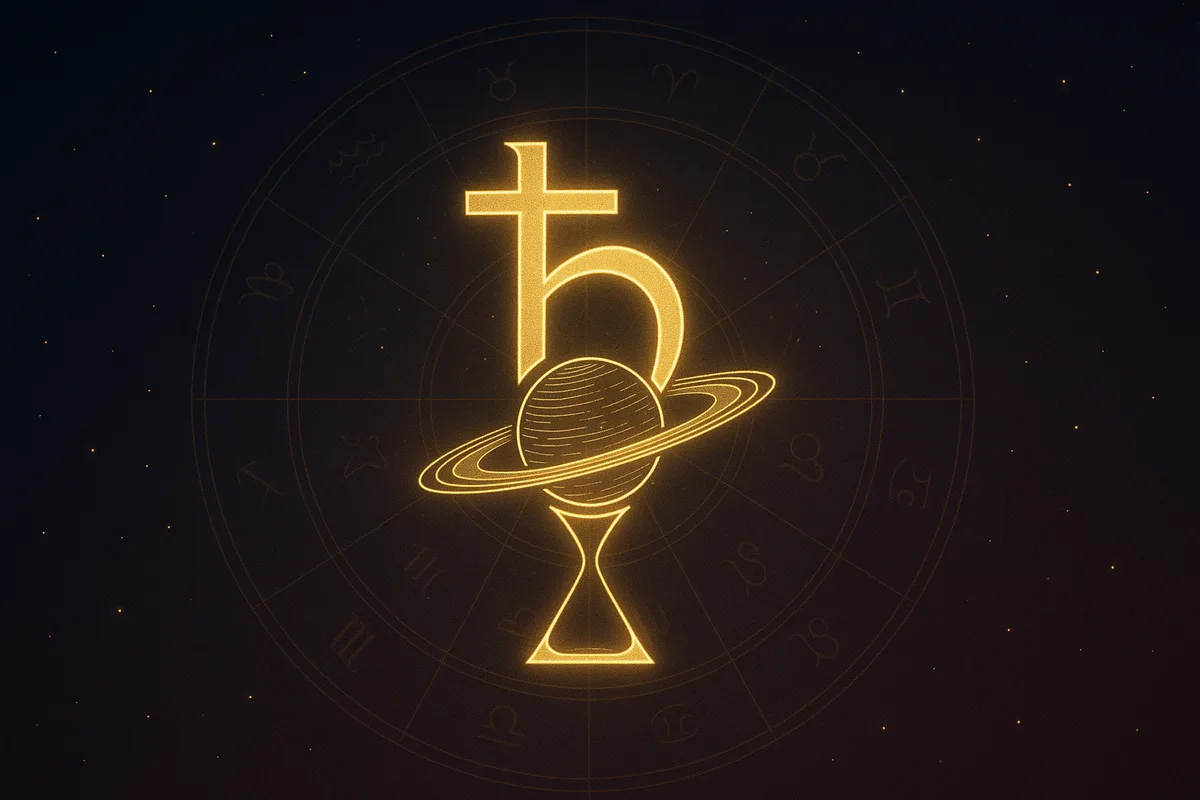
Sade Sati has a reputation that outruns what it actually is — mention it and most people brace for seven and a half years of misfortune. What's really happening is much more specific and much more manageable: Saturn, the slowest-moving classical planet, spends roughly two and a half years in each zodiac sign, and Sade Sati is simply the period when it transits the sign before your natal Moon sign, your Moon sign itself, and the sign after — three transits, 2.5 years each, 7.5 years total.
What Sade Sati technically is
Your Moon sign (Rashi) — not your sun sign — is the anchor point for this entire cycle. Sade Sati begins when transiting Saturn enters the sign immediately before your natal Moon sign, continues through Saturn's transit of your Moon sign itself, and completes when Saturn finishes transiting the sign after it.
Because Saturn takes about 29.5 years to complete a full zodiac cycle, most people experience Sade Sati roughly twice, sometimes a partial third time, across a lifetime — it isn't a one-time event, and it isn't unique to any one person's chart. Every Moon sign goes through it eventually.
The three phases, and why they don't feel the same
The first phase (Saturn in the 12th from Moon) is often described as the setup phase — subtle shifts, quiet withdrawals, a sense of things loosening before anything visibly changes. It's frequently the least dramatic of the three, more felt than seen.
The second phase (Saturn transiting the Moon sign itself) is generally read as the most intense — this is where the real tests tend to concentrate, whether that's career pressure, health discipline, or relationship restructuring. The third phase (Saturn in the 2nd from Moon) is typically described as the resolution phase — where the lessons of the previous two start paying off, provided the discipline held.
Why 'bad for everyone' is a myth
How Sade Sati actually plays out depends heavily on how Saturn sits in your natal chart to begin with. A well-placed, strong natal Saturn tends to make the transit feel like structured hard work with a clear payoff; a weak or afflicted natal Saturn tends to make the same transit feel heavier and more chaotic.
What's also running concurrently matters — your current Mahadasha and Antardasha (the planetary period system layered on top of transits) can either cushion Sade Sati or intensify it. This is exactly why two people going through the same phase of Sade Sati can have completely different experiences; the transit is one input, not the whole chart.
What actually helps during Sade Sati
Saturn rewards discipline and consistency over shortcuts — this is the practical, non-mystical core of every classical Saturn remedy. Saturday worship of Shani, offering sesame oil or black til, and avoiding major impulsive decisions during the peak phase are traditional practices built around exactly this idea: work with Saturn's slow, deliberate nature instead of fighting it.
None of this means passivity — Sade Sati is frequently described in classical texts as a period that rewards showing up consistently, finishing what you start, and taking on responsibility rather than avoiding it. A real reading of your specific dasha and transit chart tells you which phase you're in and what to actually prioritize, which is far more useful than treating the whole 7.5 years as one undifferentiated bad stretch.
Frequently asked questions
Is Sade Sati always a bad period?
No — it's a transit that classical astrology reads as intense and demanding, not automatically negative. Its actual effect depends on your natal Saturn's strength and what dasha period is running concurrently; plenty of people go through productive, growth-heavy Sade Sati cycles.
How do I know which phase of Sade Sati I'm currently in?
It depends on exactly where transiting Saturn currently sits relative to your natal Moon sign — the setup phase (12th from Moon), the peak phase (over the Moon sign), or the resolution phase (2nd from Moon). This requires knowing your precise Moon sign and current Saturn transit, which a real reading can confirm.
Can remedies actually change how Sade Sati plays out?
Classical astrology treats remedies as working with Saturn's nature — discipline, consistency, patience — rather than magically erasing the transit. The practical effect most people report is handling the same challenges with more steadiness, not the challenges disappearing outright.
Currently going through Sade Sati and not sure which phase?
Acharya Vasudev reads your real dasha and transit chart to tell you exactly which phase you're in, how your natal Saturn is placed, and what remedy actually fits your situation.
Ask Acharya Vasudev →Read next

dosha remedies
Saturn Sade Sati and Job Loss: Is There Really a Connection?
Not every Sade Sati is a career threat — the real pattern is specific to Saturn's relationship with your 10th house.
dosha remedies
Manglik Dosha and Divorce: Separating the Real Rule From the Myth
Manglik dosha's real classical rule is narrower — and has more cancellation factors — than the anxiety around it usually accounts for.
dosha remedies
Mangal Dosha Explained: What It Actually Means in Your Kundli (And When You Don't Need to Worry)
Mangal Dosha isn't a yes/no flag — it's a specific placement check with real cancellation rules most conversations skip.