 lost item astrology
How Astrology Finds Lost Items: The Real Technique Behind Nashta Prashna
By Kismatio Editorial · AI-assisted, human-reviewed · 2026-08-01 19 views
You've lost something — keys, a ring, a document you needed an hour ago — and you've already searched everywhere obvious. This is exactly the situation classical astrology has a dedicated technique for: Nashta Prashna, the horary astrology of lost objects. It's not fortune-telling in the vague sense most people picture. It's a specific, rule-based method that Vedic astrologers have used for centuries, and it's built on a genuinely different idea than reading your birth chart.
What Nashta Prashna actually is
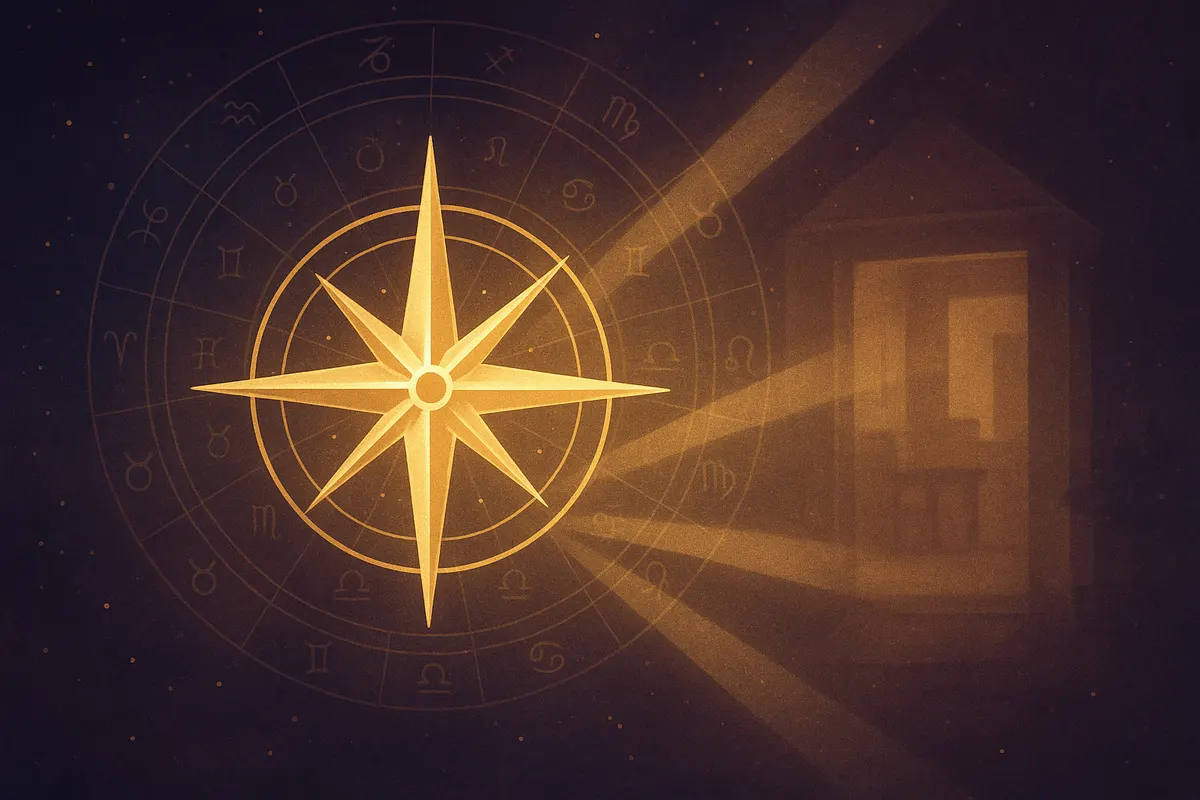
"Prasna" means question in Sanskrit, and Prasna astrology is the branch that reads the chart of the MOMENT a question is genuinely asked — not the birth chart of the person asking. Nashta Prashna is the specific sub-technique for lost or misplaced objects.
The idea is that the instant you form a real, sincere question in your mind and ask an astrologer, the planetary positions at that exact moment and location encode the answer — because that moment is itself a meaningful event, connected to the situation you're asking about.
Why the moment matters more than your birth chart
This is the part that surprises people: your own birth chart isn't the primary input here. What matters is the chart cast for the precise time and place you ask the question. That's why asking as soon as possible after you notice something is missing generally gives a sharper reading than asking days later after the moment has passed.
Classical texts like Prasna Marga lay out specific rules for reading this chart: which house governs the lost item, which planets show its location, and which combinations distinguish "misplaced somewhere in your own space" from "actually taken by someone."
What a real Nashta Prashna reading tells you
A proper reading doesn't just say "look harder." The classical rules point to specific, checkable details: which zone of your home or area (based on the ascendant's modality and the aspecting planets), roughly how high off the ground the item is likely to be, and which direction from where you're currently standing to search first.
It also distinguishes between an item that's simply misplaced versus one that may have been taken — a genuinely different search strategy, and one worth knowing before you spend an hour checking under couch cushions for something that isn't there.
Frequently asked questions
Does Nashta Prashna work for anything lost, or just specific items?
The classical technique was developed broadly — keys, jewelry, documents, phones, even lost animals in older texts. The reading is most precise for a single, specific, clearly-defined item asked about sincerely in the moment.
Do I need my birth chart for this?
It helps as a secondary cross-reference, but the primary chart used is the moment-of-question chart, not your birth chart — this is what makes Prasna astrology different from a standard consultation.
How is this different from just asking any astrologer to guess?
Nashta Prashna follows specific, documented classical rules (drekkana placements, house significations, aspecting planets) rather than intuition alone — it's a rule-based technique with a real textual tradition behind it, not an open-ended psychic impression.
Lost something right now?
Khoji reads a live Nashta Prashna chart for the exact moment you ask — zone, height, and direction to search, plus 5 minutes of follow-up, for ₹49.
Ask Khoji — ₹49 →Read next
vedic astrology
Why Is My Marriage Getting Delayed? The Real Astrological Reasons
Not "bad luck" — Vedic astrology points to specific, checkable factors in the 7th house and its lord.
kundli matching
Kundli Matching for Marriage: What the 36 Gunas Actually Score
36 points, 8 factors — here's what each Guna actually measures, not just the final number.

vedic astrology
Why Do I Keep Losing Money? Dhana Yoga vs Financial Doshas in Your Chart
Two different chart questions get confused: 'can I build wealth' and 'why does money keep slipping away' — they're not the same reading.